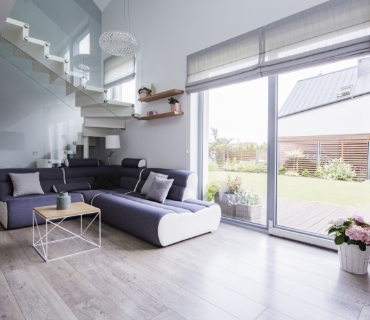
NYC neighborhoods receive different levels of natural light throughout the day based on building height, street width, and apartment orientation. These variations directly affect glare, heat, privacy, and energy use. Choosing the right window shade in NYC depends on how much sunlight your specific neighborhood gets and when it hits your windows.
Why Daylight Changes So Much Across NYC?
Skylines, street layouts, and building density create sharp differences in natural light between neighborhoods.
New York isn’t flat, and light doesn’t behave the same across its boroughs. A south-facing apartment in Tribeca has open sky and long daylight hours, while the same orientation in Midtown faces glass towers that block or reflect light. Streets like the Upper East Side’s narrow blocks get soft, filtered light, while waterfront areas like Long Island City get strong, direct sun for several hours.
Shade choice changes based on these conditions.
Manhattan – Strong South Light, High Glare, and Reflective Heat
Most Manhattan neighborhoods need shades that control glare and block reflective heat.
Midtown & Financial District:
Tall glass towers bounce sunlight into apartments. Afternoon glare is intense, especially above the 20th floor. Solar shades with tight weaves work best.
Tribeca, SoHo, West Village:
Low-rise blocks mean longer sun exposure. South- and west-facing windows need heat-reduction fabrics.
Upper East Side & Upper West Side:
Tree-lined streets provide softer light. Sheer or light-filtering roller shades are ideal.
Best Choices:
• Solar shades (3% or 5%)
• Dual shades
• Light-filtering rollers for privacy
• Motorized shades for high-rise sun cycles
Brooklyn – Warm Morning Light and Strong Evening Light
Brooklyn homes get more open-sky sunlight, especially in corner brownstones and waterfront areas.
Brooklyn Heights, Carroll Gardens, Park Slope:
East-facing windows get bright morning light; west-facing rooms heat up in the evening.
Williamsburg & Greenpoint:
Wide streets and open industrial blocks bring strong, direct sunlight.
DUMBO:
Reflected water glare from the East River is common.
Best Choices:
• Light-filtering shades for morning rooms
• Blackout rollers for bedrooms
• Solar shades for west-facing windows
• Shades with thermal backing for energy savings
Queens – Broad Exposure and Multi-Directional Daylight
Queens neighborhoods often get long, uninterrupted light throughout the day.
Astoria & Sunnyside:
Mixed low-rise buildings mean all-day exposure. Many apartments need flexible shading.
Long Island City:
Waterfront towers get extremely strong south and west light.
Forest Hills & Flushing:
Softer filtered light due to tree cover.
Best Choices:
• Dual shades (sheer + blackout)
• Zebra shades for adjustable brightness
• Solar shades for heat control
• Honeycomb shades for insulation
Bronx – Balanced Light With Seasonal Changes
Bronx apartments get more even light with less intense glare.
Riverdale:
Open hilltop exposure brings long daylight hours.
Fordham, Pelham Parkway, Kingsbridge:
Moderate light due to dense blocks.
Best Choices:
• Light-filtering rollers
• Roman shades for soft room lighting
• Honeycomb shades for warmth in winter
Staten Island – Bright, Direct Sunlight and Coastal Reflection
Homes near the shore receive bright, open light with reflective glare from the water.
Best Choices:
• Solar shades for glare
• Blackout shades for bedrooms
• Dual shades for large windows
• Motorized options for big living rooms
How Your Apartment Direction Changes Everything?
Orientation matters more than neighborhood.
• North: Soft, shadow-free light → sheer shades look best
• East: Bright morning light → light-filtering or dual shades
• South: Strong all-day sun → solar shades or blackout
• West: Harsh evening glare → solar shades with tight weaves
The Best Shade Choices Based on Lighting Goals
If you want to reduce heat:
Solar shades, honeycomb (thermal)
If you want full privacy:
Blackout rollers, Roman shades
If you want soft light:
Sheer rollers, zebra shades
If you want modern + low maintenance:
Motorized roller shades
FAQs
Which NYC neighborhood gets the most sun?
Waterfront areas like Long Island City and Battery Park City get long hours of direct sun.
Why does Manhattan have more glare?
Glass towers reflect light into high-rise apartments.
What shade works best for south-facing windows?
Solar shades (3% openness) or blackout rollers.
Do brownstone apartments need blackout shades?
Bedrooms benefit from blackout, but living spaces often work well with light-filtering fabrics.
Are motorized shades worth it in NYC?
Yes, especially in high-rises where sunlight changes fast throughout the day.